There’s a certain kind of story that doesn’t raise its voice. It doesn’t demand your attention or chase you down the page. Instead, it waits—quietly, patiently—until you’re ready to lean in. Irish folklore has always felt like that to me. A soft‑spoken companion. A whisper from somewhere older than memory. A reminder that magic doesn’t always arrive with thunder; sometimes it slips in on a breath.
Maybe that’s why these tales feel like home to those of us who live gently in the world. Introverts understand the language of quiet things. We know how to listen between the lines, how to sense the shift in the air when a story is about to reveal itself. And Irish folklore, with all its mist‑wrapped edges and half‑seen worlds, speaks in exactly that register.
The Quiet Power of Irish Storytelling
Irish storytelling has never belonged solely to the loudest voice by the fire. It has always depended on the listeners—the ones who held the silence steady so the tale could take shape. In old cottages, stories were passed down not just by the tellers, but by the watchers, the nodders, the ones who tucked every detail away for safekeeping.
Introverts have always been the keepers of the hush. The ones who remember. The ones who carry the old magic forward simply by listening.
Creatures Who Move in Silence
Not all folklore creatures crash through the night. Some move softly, brushing past the edges of your awareness like a thought you almost catch.
Selkies: The Ones Who Long for Home

Selkies slip between sea and shore, never fully belonging to either. Their stories are woven with longing—quiet, aching, deeply human. Introverts understand that kind of inner tide, the pull toward a place that feels like your truest self.
The Banshee: A Mourner, Not a Monster

Despite her reputation, the banshee is not a creature of terror. She is a herald of grief, a soft lament carried on the wind. Her presence is felt more than seen, a reminder that sorrow can be sacred and that not all warnings are loud.
The Púca: For Those Who Notice the Small Things
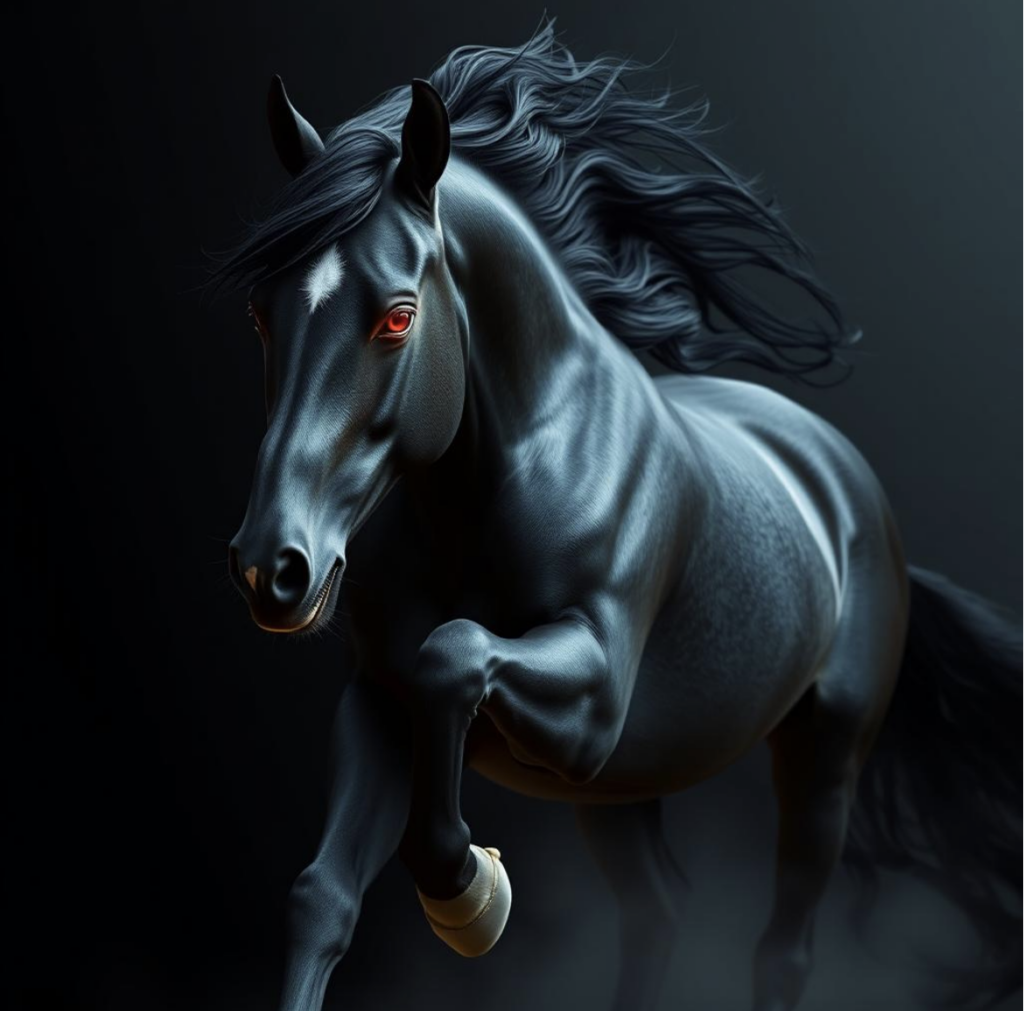
A shapeshifter who appears to the observant, the Púca rewards those who pay attention. Introverts, with our habit of noticing the subtle and the overlooked, would be the first to catch its glimmer in the hedgerow.
These stories don’t roar. They murmur. They shimmer. They wait for the ones who listen.
Thin Places and Quiet Souls
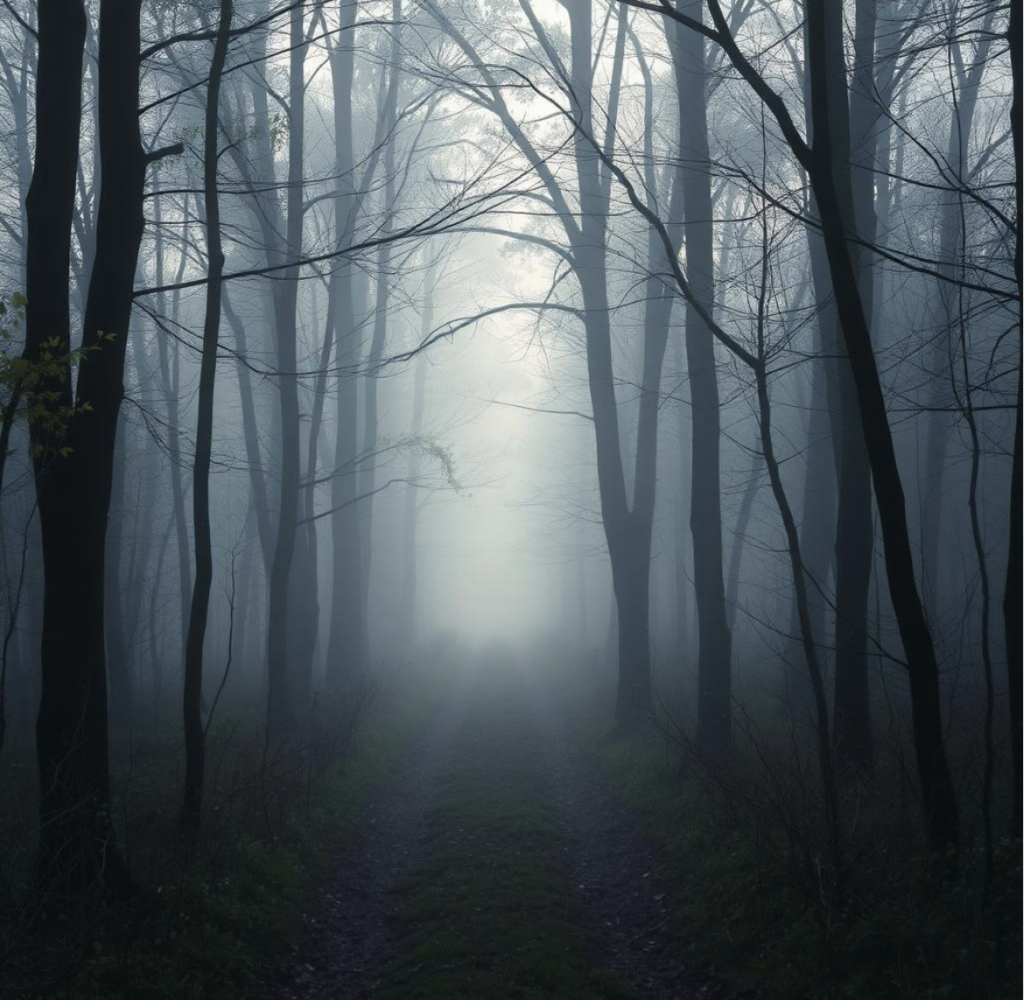
Ireland has long believed in “thin places”—spots where the veil between worlds feels delicate, where the ordinary and the mystical brush shoulders. You don’t find thin places by rushing. You find them by being still. By noticing the shift in the wind. By feeling the old magic hum beneath your feet.
Introverts often live in that kind of awareness. We sense atmosphere. We feel the weight of history in a landscape. We know when a place is speaking, even if no one else hears it.
The Introvert as Story‑Bearer
Every family has someone who holds the stories. The one who remembers the details, the dates, the whispered bits that never made it into the official version. In many Irish families, that role fell to the quiet ones—the hearth‑keepers, the watchers, the ones who listened more than they spoke.
Maybe that’s why Irish folklore feels like an inheritance for the soft‑spoken. Not because we claim it loudly, but because we carry it gently.
The Old Magic Lives in the Quiet
Irish folklore reminds me that quiet is not emptiness. It’s depth. It’s presence. It’s a doorway to something older than words. The old magic doesn’t need to shout to be heard—it only needs someone willing to listen.
And perhaps that’s the gift introverts bring to the world: We hear the stories that whisper. We feel the magic that moves softly. We carry the tales that would be lost in the noise.
The old magic lives on in the quiet—and in those of us who honor it.
If you’d like to explore more, I found the following sites to be insightful and full of great information: